

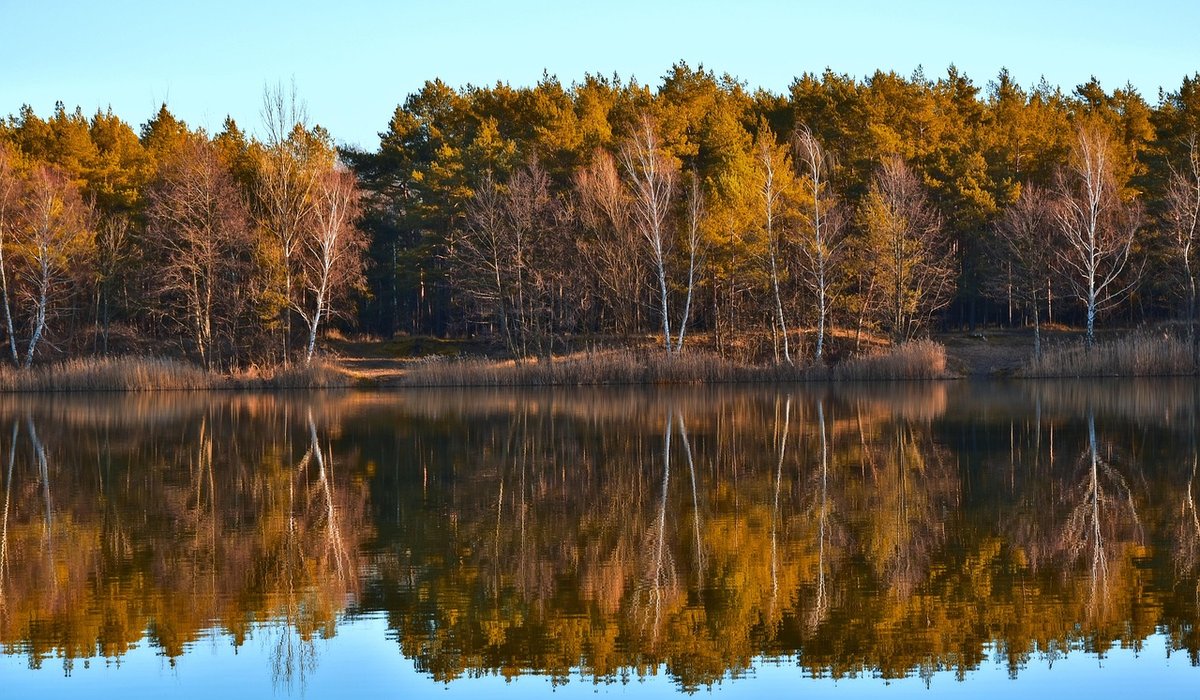
A balcony is a dye garden in waiting
You do not need an allotment to grow your own colour. A metre of railing, a paved courtyard or a north-facing windowsill can supply genuine dye material if you choose plants that tolerate life in a pot. The real limits are root volume and sunlight, not ambition. Most dye plants want six hours of sun a day, so a south- or west-facing balcony is ideal; shadier spots can still grow woad and a few leafy indigo plants, just more slowly.
What a small space gives you is modest quantities — a handful of leaves, a jam jar of blossoms, enough dyed thread for a quilting panel or a season of visible mending. That scale suits slow stitching beautifully. You are not trying to fill a dye bath for a jumper; you are growing colour for the work of your hands.
Choosing plants that earn their keep in containers
Compact, generous and quick to reward are the qualities to look for. These are the ones I would start with:
- Japanese indigo (Persicaria tinctoria) — an annual that gives you fresh-leaf blue in its first summer. One 15-litre pot is enough for two or three cuttings of leaves.
- Weld — the classic clear yellow. Slender and undemanding in a 10-litre pot; cut the whole stem when the first flowers open.
- Madder — superb reds, but it wants depth. Use a pot at least 30cm deep and be patient for two to three years.
- Coreopsis, marigold and dyer's chamomile — cheerful, low-growing flowers that keep producing from July until the first frost.
- Hollyhock, including the near-black forms — tall, statuesque and generous with petals, though it needs staking and a deep pot.
- Kitchen gleanings — onion skins, avocado stones and pomegranate rinds need no garden at all.
Compost, containers and the small-space water problem
Containers dry out far faster than open ground, and a thirsty dye plant gives poor colour. Aim for 10 to 15 litres minimum for anything you plan to harvest repeatedly, and 20 to 30 litres for madder or hollyhock. A loam-based compost such as John Innes No. 2 holds moisture better than a light multipurpose mix; if you prefer peat-free, choose one with added loam or coir and feed more often.
Terracotta looks lovely and dries out twice as fast as glazed or plastic. On a windy balcony, glazed pots and a saucer are worth the compromise. Group pots closely so their rims shade one another, mulch the surface with two centimetres of compost, and water in the early morning rather than at midday. Feed leafy plants with liquid seaweed every fortnight from June, and switch to a tomato feed for anything you are growing for flowers. Rainwater is best if you can catch it; tap water is fine but leave it to stand overnight.
A year of harvesting from a few square feet
Sow weld, madder and hollyhock under cover in February or March. Sow Japanese indigo in April, keep it warm, and harden the seedlings off carefully. Plant everything out after the last frost — late May across most of the UK — and pinch out the growing tips of indigo to encourage bushy growth.
From July, the garden starts to pay. Cut indigo stems about 15cm above the base, strip the leaves and leave the plants to regrow; you can usually take two or three cuts before the first frost. Pick marigold and coreopsis flowers every few days to keep them coming. Cut weld at the moment its first yellow flowers open, and dry the stems in paper bags hung in an airy room. Lift madder roots in October once they are mature, and keep picking dahlia flowers until the frost blackens them. Through winter you work from dried leaves, stored roots and the onion-skin bag in the kitchen.
Turning a modest harvest into colour
Small quantities demand a little precision. Weigh your fibre and your dye material so you can repeat a result, and keep a notebook recording plant, date, quantity, mordant and outcome. For most plant dyes, mordant with alum at roughly 10 to 15 per cent of the fibre's dry weight, plus a pinch of cream of tartar, simmering gently for an hour.
Fresh indigo leaves are best used within hours of picking, though they freeze well for later vats. Dried leaves and petals keep their colour for a year or more stored in paper — not plastic — in the dark, labelled with the date. Expect variation rather than consistency. A pot-grown weld will rarely give the same yellow twice, and that is part of its charm.
Letting the garden set the pace
The loveliest thing about dyeing from a few pots is how naturally it slows you down. You cannot rush madder through three years of root growth, and you cannot force indigo leaves in February. What you can do is dye small skeins of embroidery thread as the season allows, then stitch them into a record of the year — a sashiko-style running stitch over a patched shirt, a boro-inspired mend on a worn quilt, a row of French knots in your own coreopsis gold.
Start with one pot. Grow something easy, dye a single skein, and stitch it into something you will use. The garden will teach you the rest.





John Doe
14 January, 2022Having no content in post should have adverse..
Chauffina Carr
10 April, 2022We use these tests all time! Killer stuff!
Jim Séchen
16 July, 2022Thanks for all the comments, everyone!